
Dry rough skin and cracked heels: when a urea cream may help
When skin becomes thick, rough or flaky, a basic moisturiser may not be enough. Combining hydrating, gently exfoliating and barrier-supporting ingredients can improve texture while reducing friction.
When is targeted moisturising relevant?
- 01Rough or thickened heels, knees or elbows.
- 02Surface flaking, tightness or dryness-related itch.
- 03A rough, bumpy texture on arms or thighs.
- 04Superficial non-bleeding cracks needing consistent softening and protection.
Why is basic moisturiser sometimes not enough?
Rough skin needs sustained hydration and may also need gentle loosening of surface-cell build-up.
Thick surface build-up
Urea and lactic acid at suitable concentrations can soften rough build-up and gradually improve texture.
Moisture loss
Ceramides and moisturising ingredients help reduce water loss and support barrier comfort.
Friction and hot water
Very hot water, scrubbing and unsuitable footwear can bring roughness back despite cream use.
How to use VIDACARE Urea Lactic Cream
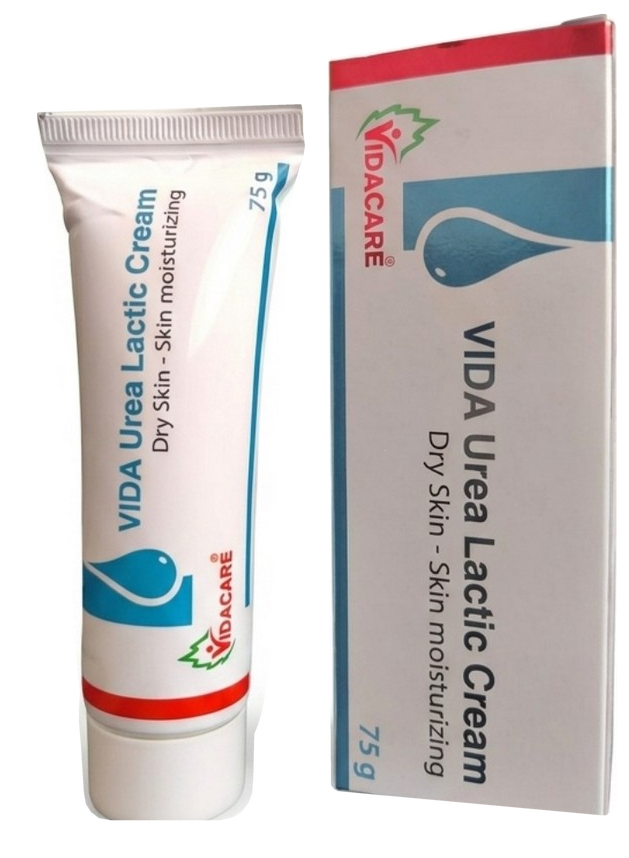
The formula contains Urea 10% + Lactic Acid 5% + Ceramides 3% + Niacinamide 3% + Aloe Vera 5%.
1. Clean and dry gently
Wash with lukewarm water and pat dry without scrubbing or forcibly removing scales.
2. A thin layer once or twice daily
Apply a thin layer to rough areas and massage until absorbed, reducing frequency if uncomfortable stinging occurs.
3. Maintain the result
Continue with suitable moisturising, avoid friction and very hot water, and never apply to wounds.
Choose within a clear routine
Open each product page for ingredients, directions and precautions, then ask about the nearest point of sale.
VIDA Urea Lactic Cream
For roughness and cracks that need more than a basic moisturiser.
Explore product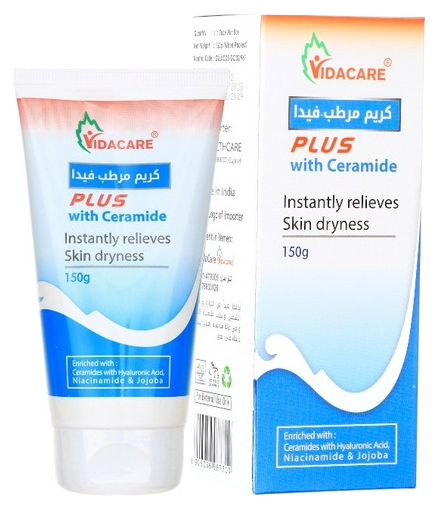
VIDA Moisture Plus with Ceramide
Deeper care when ordinary moisturising is not enough.
Explore product
Do not delay assessment for unusual signs.
Do not apply to bleeding cracks or inflamed skin. People with diabetes or reduced foot sensation should seek professional advice before self-treating foot cracks.
Concise, responsible answers
This information is educational and does not replace medical diagnosis or individual pharmacy guidance.
Is urea cream suitable for the face?+
This product is intended for rough body areas. Do not use on the face or near the eyes unless specifically directed.
Can it help rough bumpy skin?+
Urea and lactic acid may gradually soften rough texture when combined with moisturising and avoidance of harsh scrubbing.
Why might it sting?+
Acids and urea can sting, especially on cracked or irritated skin. Stop if clear irritation occurs and never use on wounds.
These sources explain the general concern and are not clinical studies of the final product.